The History of Homebuying in Portland, Oregon: Tech, Trends, and the Vancouver Effect

Portland, Oregon has long been known for its lush landscapes, progressive values, and vibrant neighborhoods. But behind the rose gardens and bike-friendly streets lies a rich, complex history of homebuying—shaped by innovation, design, and shifting regional dynamics. From mid-century bungalows to modern infill developments, Portland’s housing journey reflects broader economic and cultural tides, with tech booms, architectural evolution, and cross-border growth playing starring roles.

Post-War Roots: Bungalows and the Birth of the Suburbs
In the mid-20th century, Portland saw a significant expansion of housing stock to meet the demand from returning WWII veterans and their families. Modest, functional homes—such as Craftsman bungalows and post-war ranches—sprouted across neighborhoods like Sellwood, St. Johns, and Montavilla. These homes emphasized simplicity, affordability, and proximity to transit corridors and jobs.
The Federal Housing Administration (FHA) and the GI Bill fueled suburban expansion during this period, though not all Portlanders benefited equally. Redlining and discriminatory lending practices excluded many Black and immigrant families from homeownership opportunities, leaving a legacy of housing inequality that the region continues to grapple with today.
The Rise of the Silicon Forest
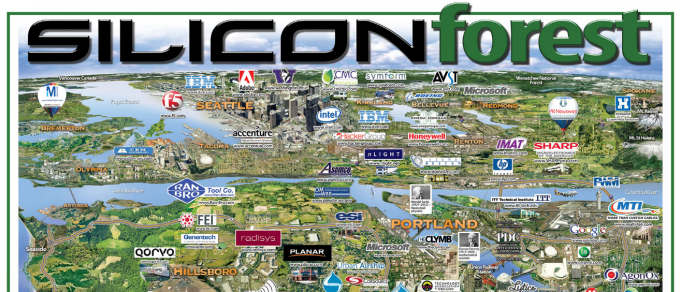
In the 1970s and '80s, Portland’s western neighbor—Hillsboro—began to transform into a tech hub, earning the nickname “Silicon Forest.” Companies like Intel opened sprawling campuses, attracting engineers, developers, and a wave of middle- and upper-income professionals. This influx of tech workers drove demand for housing west of Portland, in areas like Beaverton, Bethany, and Forest Heights.
At the same time, Portland proper saw increased interest in older inner-city homes, sparking a wave of renovations and gentrification, especially in neighborhoods like Alberta, Mississippi, and Ladd’s Addition. Victorian homes, foursquares, and mid-century moderns gained new life as buyers restored historic charm while pushing up prices.

Architectural Shifts and Infill Innovation
Portland’s architecture has always been eclectic, but the last few decades introduced more diversity in home styles and density. In addition to the classic bungalow and mid-century ranch, infill development began reshaping the city’s landscape in the early 2000s.
Driven by land use policies and the state’s urban growth boundary, developers turned to attached homes, skinny houses, and Accessory Dwelling Units (ADUs) to maximize housing opportunities without sprawl. Portland’s zoning updates—like the 2021 Residential Infill Project—aimed to allow more flexible housing types, including duplexes, triplexes, and fourplexes on single-family lots. This has made the city a national model for “missing middle” housing innovation.

The Vancouver Effect: Affordability Across the River
As home prices in Portland climbed—especially during the tech-fueled boom of the 2010s—homebuyers began to look north. Just across the Columbia River, Vancouver, Washington emerged as a popular alternative.
Vancouver offered lower home prices, no state income tax, and a quieter, suburban lifestyle with easy access to Portland jobs. Areas like Cascade Park, Salmon Creek, and Felida attracted first-time buyers, retirees, and remote workers alike. While commuting across the Interstate Bridge could be a pain point, the trade-off in affordability and quality of life made Vancouver a desirable Portland suburb in all but name.
This migration reshaped the regional housing market, driving development and rising prices in Clark County while pushing Portland policymakers to rethink housing supply, affordability, and transportation planning.
Portland Today: Navigating Change
Today, Portland homebuyers face a market shaped by decades of economic shifts, policy experiments, and cultural evolution. The city continues to lead in sustainable development, ADU construction, and inclusive zoning—but also faces headwinds from affordability challenges, aging infrastructure, and market volatility.
Buyers are increasingly diverse, environmentally conscious, and interested in smaller, community-oriented homes. The future of homebuying in Portland will likely involve creative use of space, a focus on equity, and continued interplay between Portland and its surrounding cities—including the ever-growing Vancouver, WA.
Conclusion
The history of homebuying in Portland is a story of resilience, innovation, and reinvention. From Silicon Forest job growth to charming Craftsman homes, and from infill developments to cross-border suburbs, the market has evolved alongside the city’s values. For prospective buyers, understanding this history isn’t just interesting—it’s key to making informed, intentional decisions in a rapidly changing region.


Comments